
Digital transformation is no longer made up of separate initiatives. In 2026, it is a closely linked set of technologies, platforms, and operating models that affects how quickly a business can move, change, and compete.
What sets leaders apart from laggards today is not the amount of technology they adopt, but how effectively they use it. Companies that have organized a few essential transformation patterns are already moving ahead by years, not months.
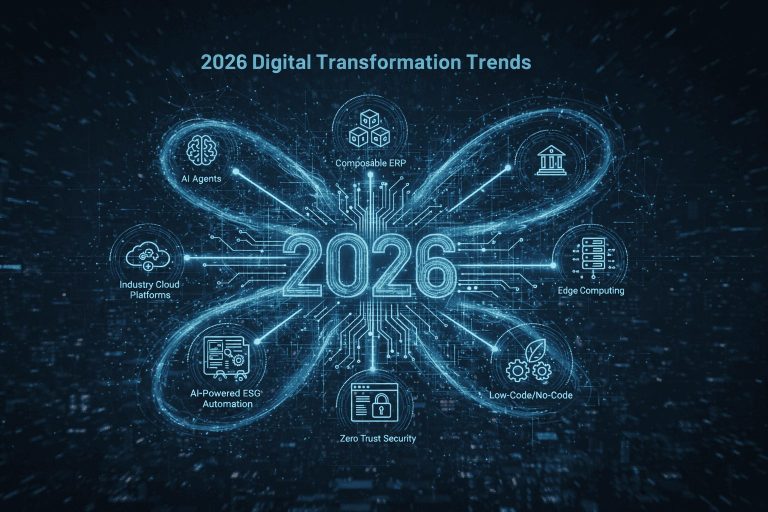
This blog outlines the eight digital transformation trends that are changing enterprise software in 2026. It explains how these trends work together to provide real, measurable business benefits.
1. AI Agents Move From Assistants to Autonomous Partners
Enterprise AI has progressed far beyond dashboards and recommendations. In 2026, AI agents act as independent business partners. They carry out workflows, solve problems, and adjust to changing conditions with little human involvement.
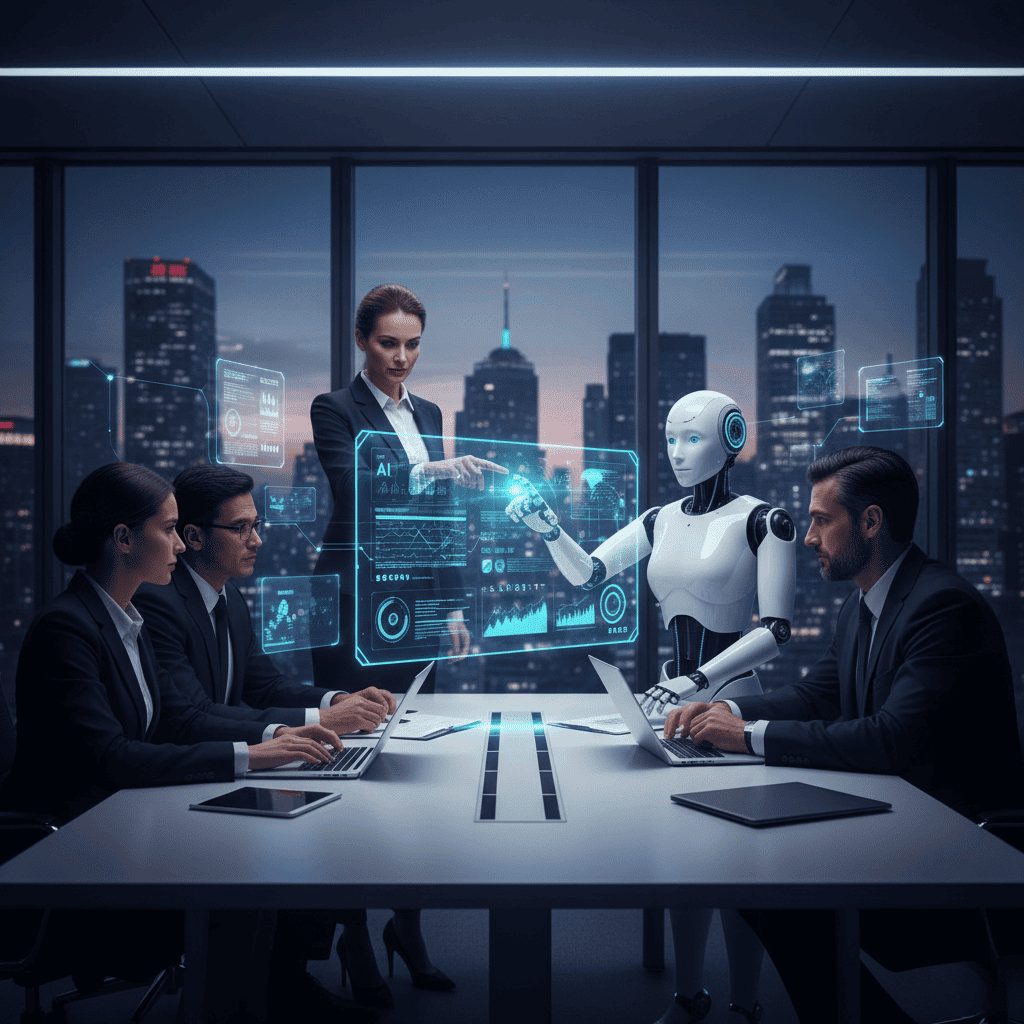
These agents are already changing customer support, operations, data management, and internal workflows. Companies using AI agents on a large scale are experiencing lower operational costs, quicker cycle times, and more reliable service delivery.
The shift is not about replacing people. It is about letting teams focus on complex, high-value decisions while AI manages repeatable and recoverable tasks. Human-in-the-loop governance is still important, but production-level deployments are now speeding up across industries.
2. Composable ERP Replaces Monolithic Systems
Traditional ERP systems were built for stability, not speed. Over time, they have become rigid, costly to modify, and difficult to integrate with modern AI and cloud platforms.
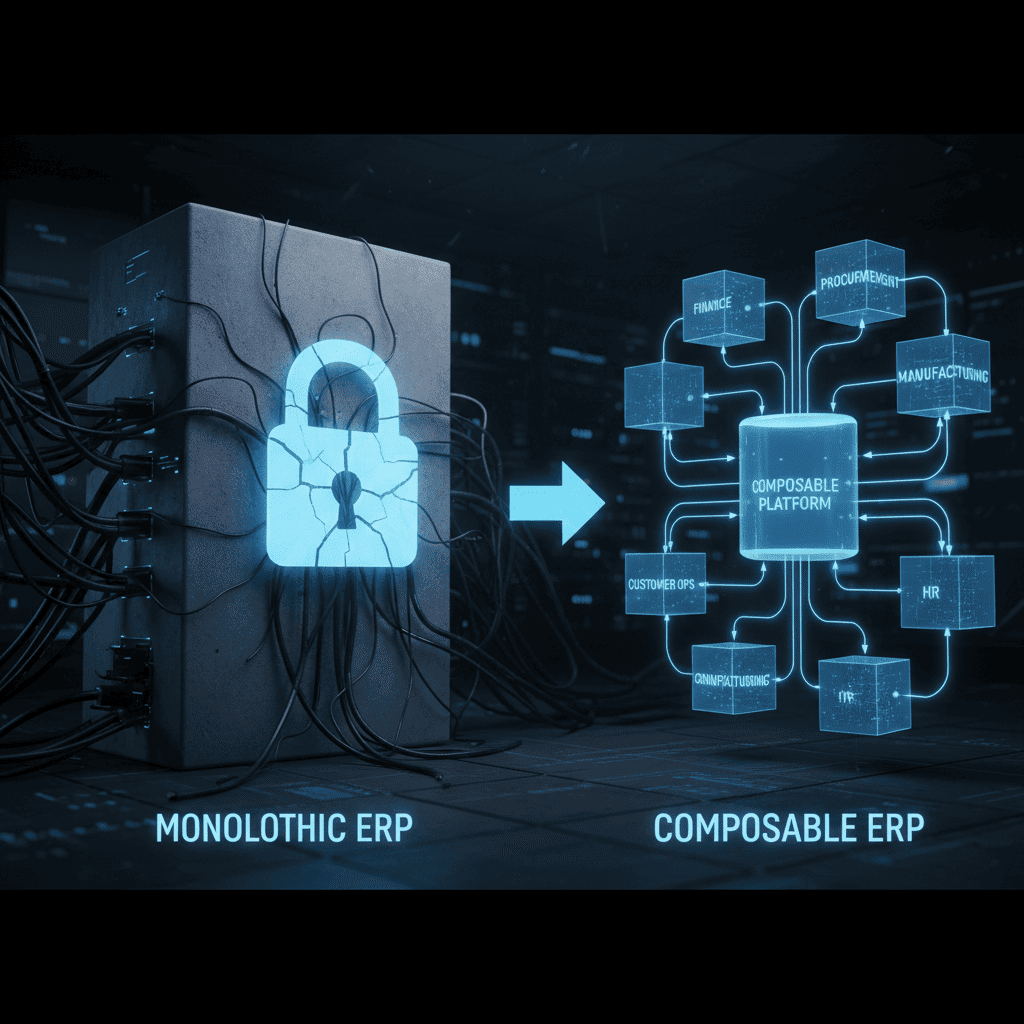
Composable ERP changes this model. Instead of depending on one large system, companies use modular components for finance, procurement, manufacturing, HR, and customer operations. Each module develops independently and links through APIs and event-driven architecture.
In 2026, this approach allows for gradual improvement, lower total ownership costs, and quicker innovation without interrupting main operations. For businesses that want to remain competitive, composable ERP is essential.
3. Industry Cloud Platforms Gain Momentum
Generic cloud platforms have a hard time meeting complex operational and regulatory needs. Industry cloud platforms fill this gap by providing ready-made workflows, data models, and compliance features tailored for specific sectors.
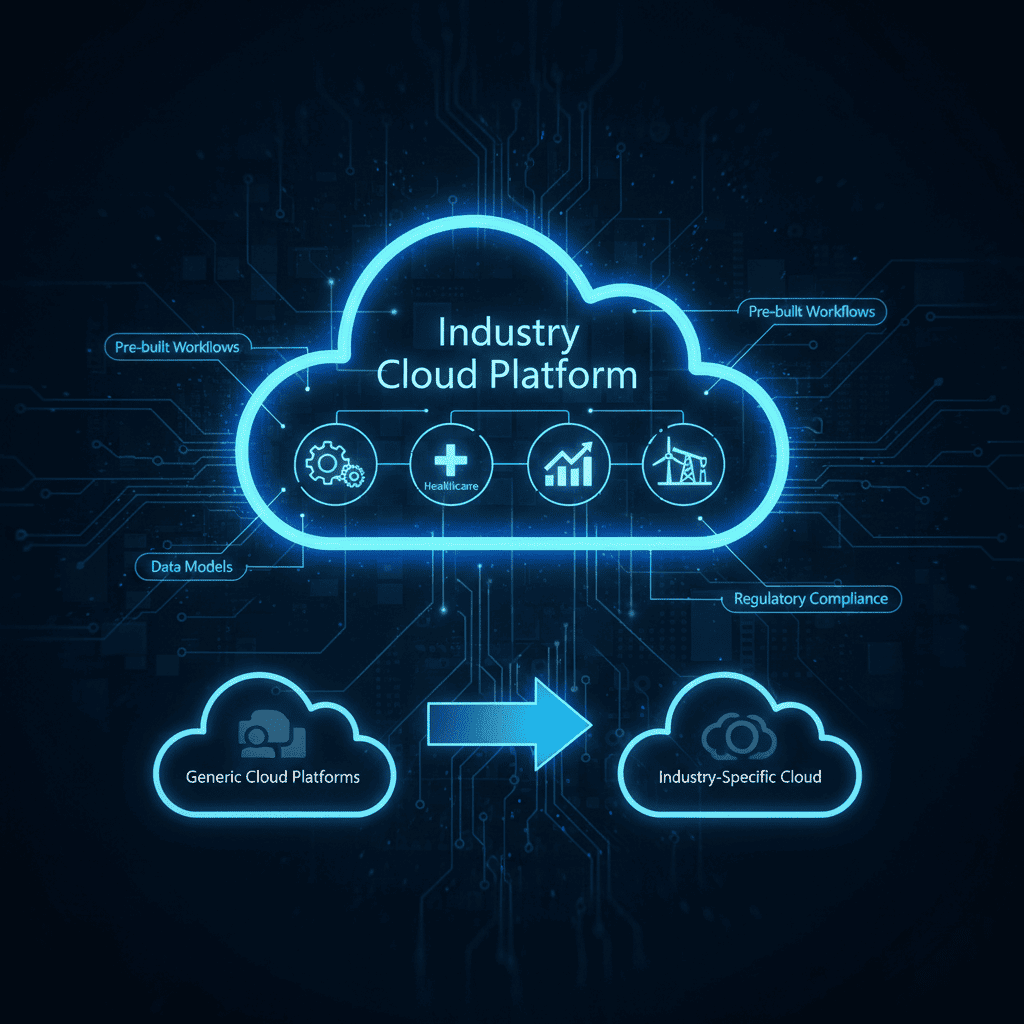
Manufacturing, healthcare, financial services, and energy are leading the way in adoption in 2026. These platforms cut down on implementation time, make compliance easier, and speed up innovation through specialized partner networks.
For many organizations, the choice has changed from picking a cloud provider to finding the best industry-specific cloud that fits their business model.
4. Edge Computing Enables Real-Time Decisions
Centralized cloud processing cannot match the scale and speed of modern business data. Edge computing addresses this issue by processing data at the point of generation.
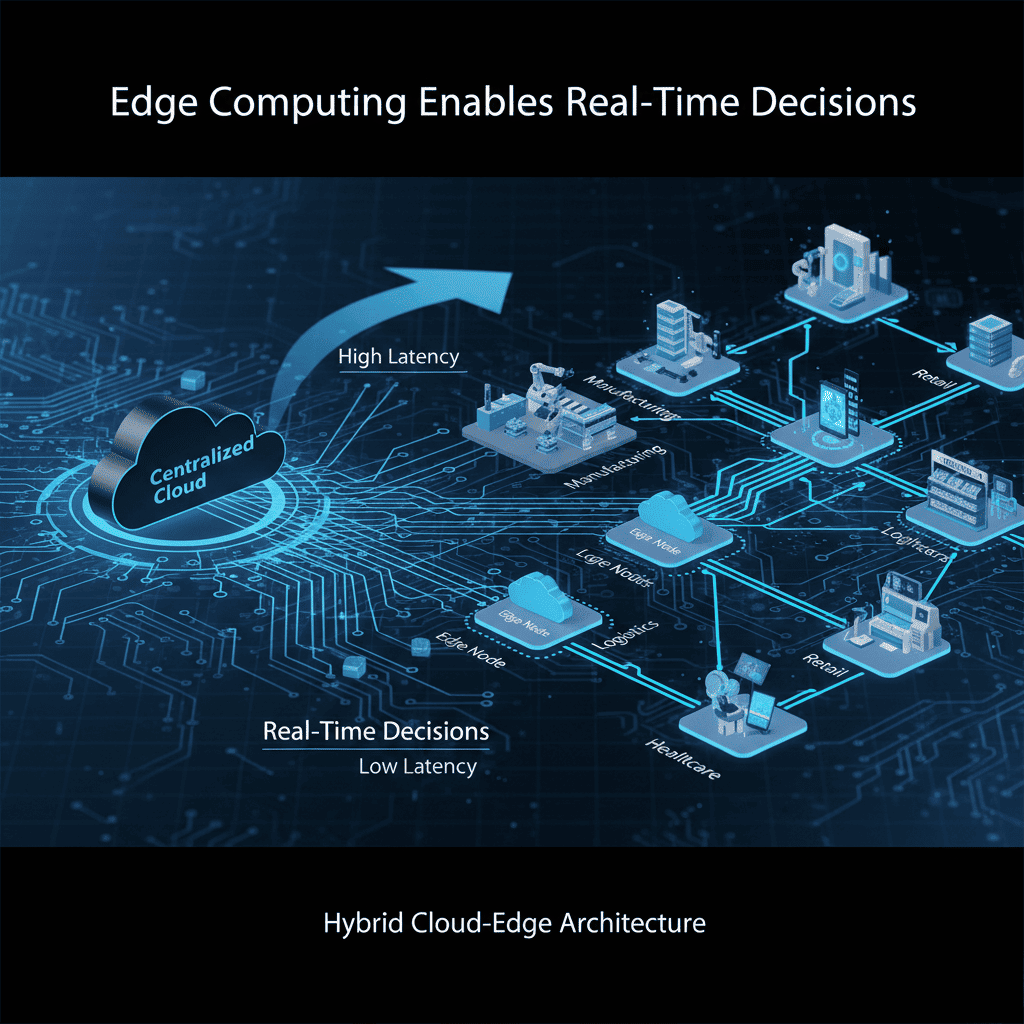
In manufacturing, retail, logistics, and healthcare, milliseconds matter. Real-time processing at the edge allows for predictive maintenance, dynamic pricing, instant fraud detection, and quicker operational response.
By 2026, hybrid cloud-edge architectures will be the standard for enterprises. They will provide better performance, lower latency, and lower data transfer costs.
5. Platform Engineering Becomes a Competitive Advantage
High-performing enterprises are investing in internal developer platforms that remove infrastructure friction and standardise how software is built, deployed, and operated.
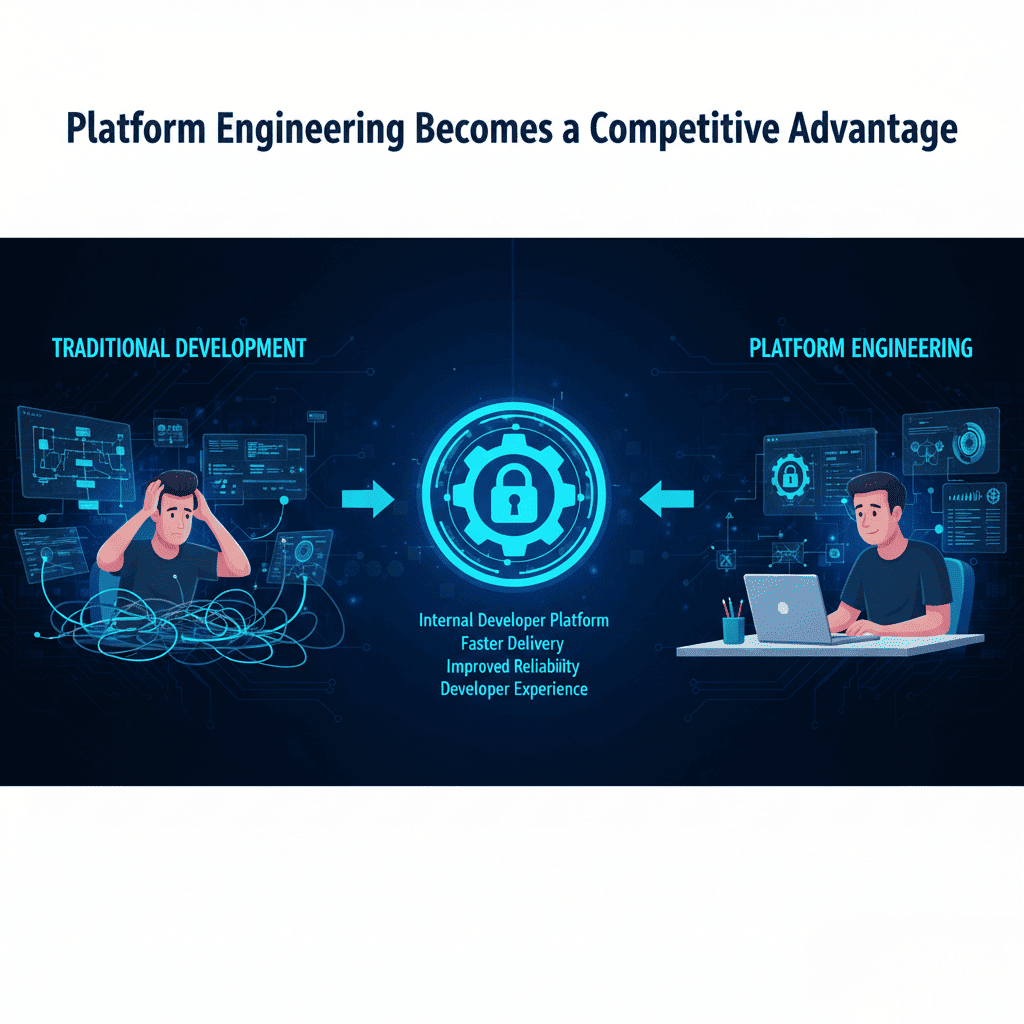
Platform engineering helps developers concentrate on business value. They no longer need to manage environments and tools. This leads to faster delivery, better reliability, and an improved developer experience.
With competition for engineering talent at an all-time high in 2026, a strong internal platform has become a crucial factor for productivity and recruitment.
6. Low-Code and No-Code Go Mainstream
The demand for software keeps growing faster than the number of developers available. Low-code and no-code platforms help close this gap. They allow business users to create applications with little coding.
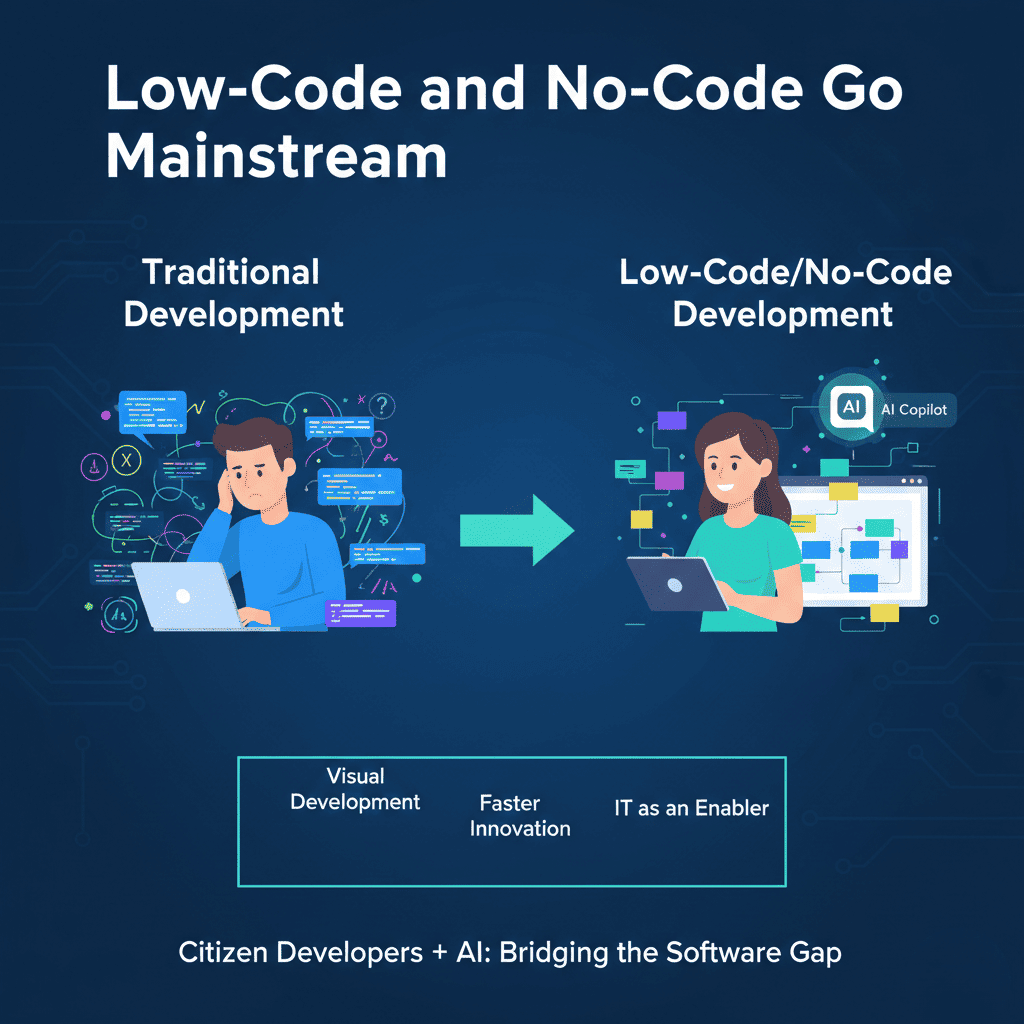
In 2026, most new enterprise applications have low-code components. AI copilots built into these platforms make development easier by creating logic, workflows, and integrations from natural language.
Enterprises that adopt this model are transforming IT from a delivery hurdle to a support role. This change speeds up innovation across the organization.
7. Zero Trust Security Becomes the Default
The traditional perimeter-based security model no longer functions effectively in a world of cloud computing, remote work, APIs, and AI-driven automation.
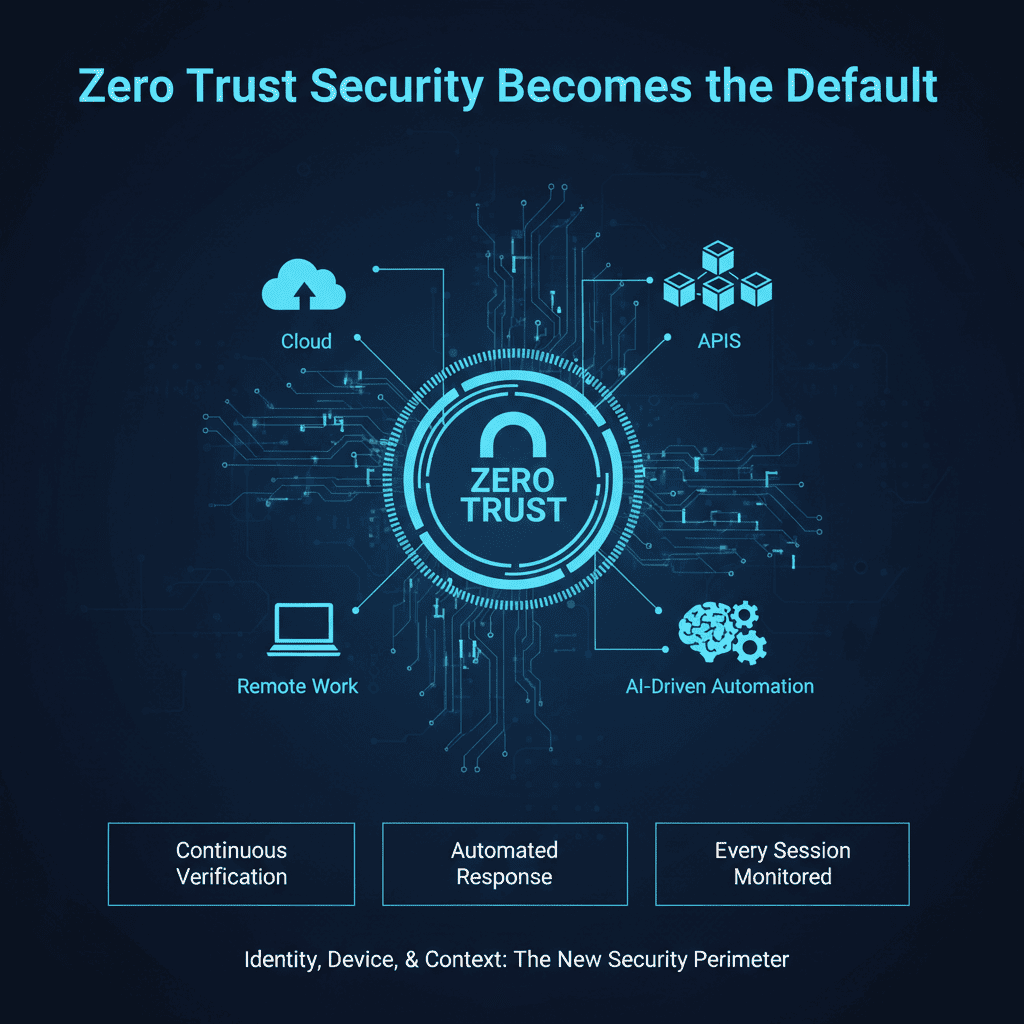
Zero trust security changes the idea of trusting users by continuously verifying their identity, device posture, behavior, and context. Every request is validated, each session is monitored, and responses are automated.
In 2026, zero trust is not just a future goal. It is a basic requirement for companies dealing with advanced threats and growing regulatory pressure.
8. AI-Powered ESG Automation Turns Compliance Into Strategy
Sustainability reporting has changed from yearly spreadsheets to ongoing, data-driven methods. AI-powered ESG platforms now automate data collection, validation, reporting, and audit preparation across businesses and supply chains.
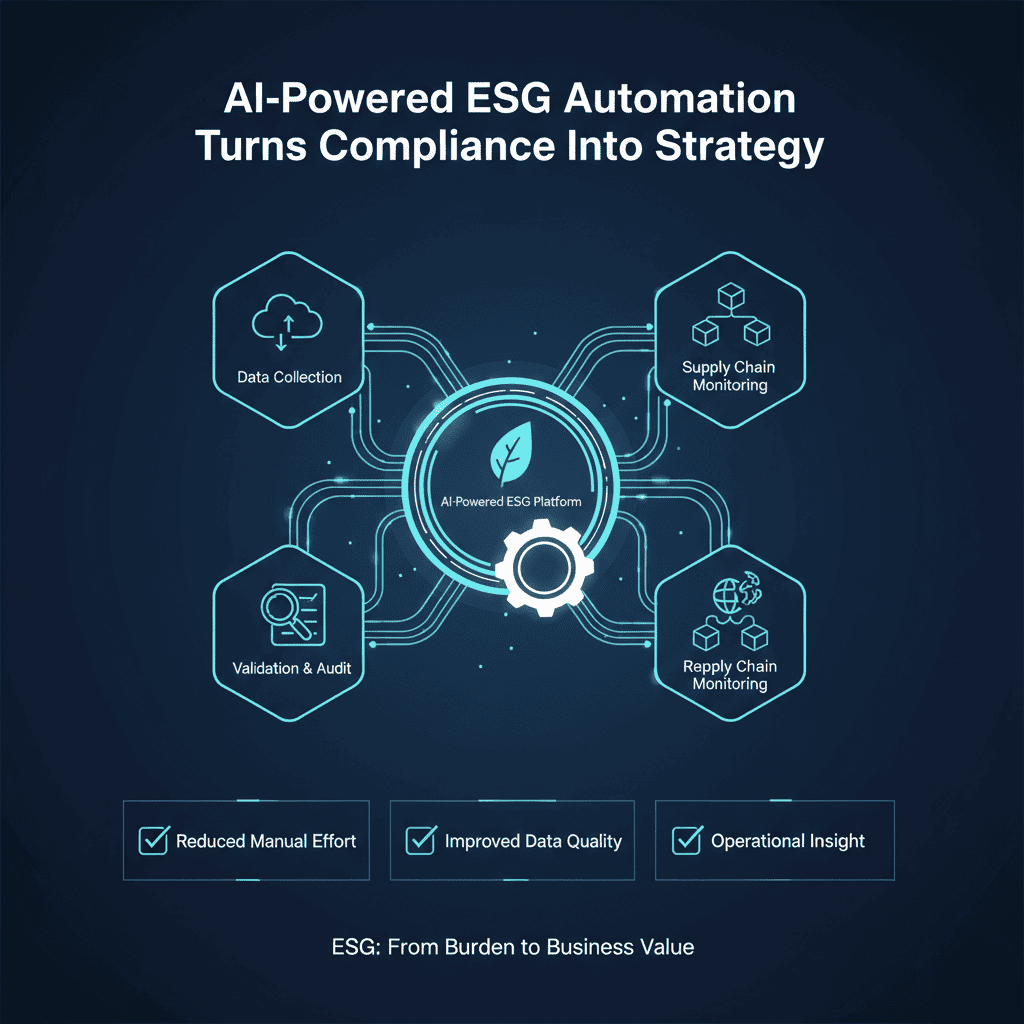
This change cuts down on manual work, improves data quality, and turns ESG from a compliance requirement into a source of operational insights and investor confidence.
As regulations become stricter around the world in 2026, organizations that automate ESG reporting will gain resilience and improve their reputation.
How These Trends Work Together
The real impact of digital transformation in 2026 comes from convergence. AI agents rely on composable ERP and clean APIs. Industry clouds speed up deployment. Edge computing allows for instant decisions. Platform engineering and low-code tools boost speed. Zero trust secures everything. ESG automation turns compliance into intelligence.
Businesses that successfully use even three or four of these trends together are already outpacing competitors using old systems.
Your 2026 Digital Transformation Starting Point
There is no single roadmap that fits every organisation. The best starting point depends on the industry, maturity, and strategic goals. In 2026, what matters most is sequencing, governance, and execution.
Digital transformation is no longer just about trying new things. It focuses on growth, integration, and clear results.
The organizations that act swiftly will shape their competitive outlook for the rest of the decade.
About mVerve
mVerve helps businesses plan and carry out digital transformation strategies. This includes ERP modernization, industry cloud adoption, AI integration, platform engineering, and enterprise automation. We focus on connecting technology with actual business results.
Are you ready to create your 2026 digital transformation roadmap?
Reach out to our experts. They can help you identify the trends that matter most for your organization and turn them into a practical plan.