
01
Ext JS web application development
End to end delivery from conceptualisation and design through development, testing and deployment, using the full weight of the framework.
Over 60 percent of Fortune 100 companies use Ext JS to build interactive web applications. mVerve designs, builds and modernises them with a team that has worked with the framework since its first release.

 Sencha suite
The framework
Ext JS is a JavaScript framework used to build feature rich, cross platform web applications. Developed and maintained by Sencha, it lets teams create complex, data intensive applications with an extensive set of UI components, rich data visualisation options and an architecture that simplifies development.
With a focus on code reusability and maintainability, its integration with other frameworks, smooth data handling and support for responsive design make Ext JS a strong choice for enterprise software and consumer facing applications alike.
mVerve re engineers and updates legacy systems, infusing them with new vitality and capability. Our developers average four plus years with the framework, and our Chief Technology Officer has worked with Ext JS since its first version in 2007. We are equally comfortable across Ext JS, ExtReact and ExtAngular.
What we commit to
Our Sencha projects
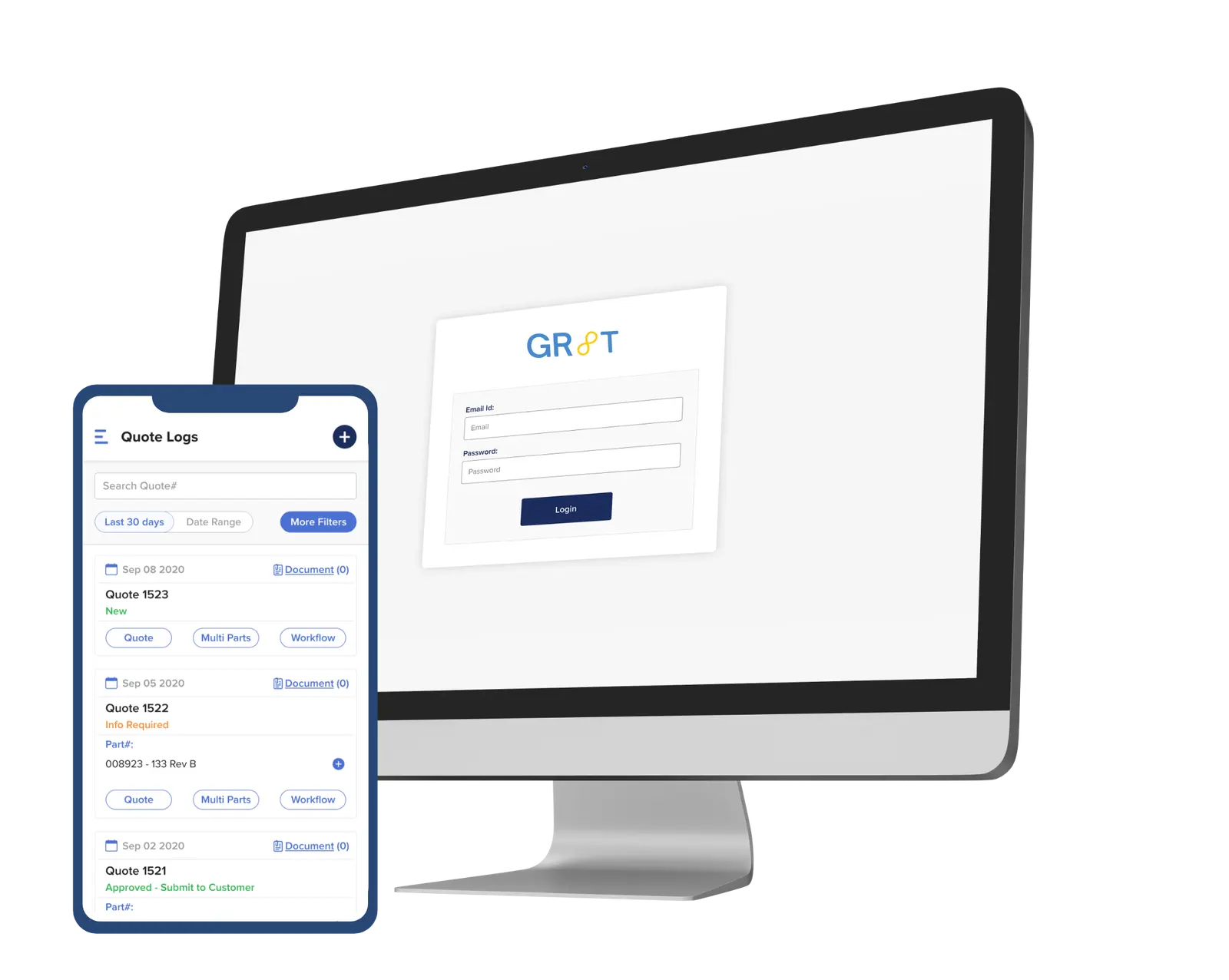

A production grade Ext JS application for a manufacturing group, covering operations dashboards, role based access and heavy grid reporting.
View case study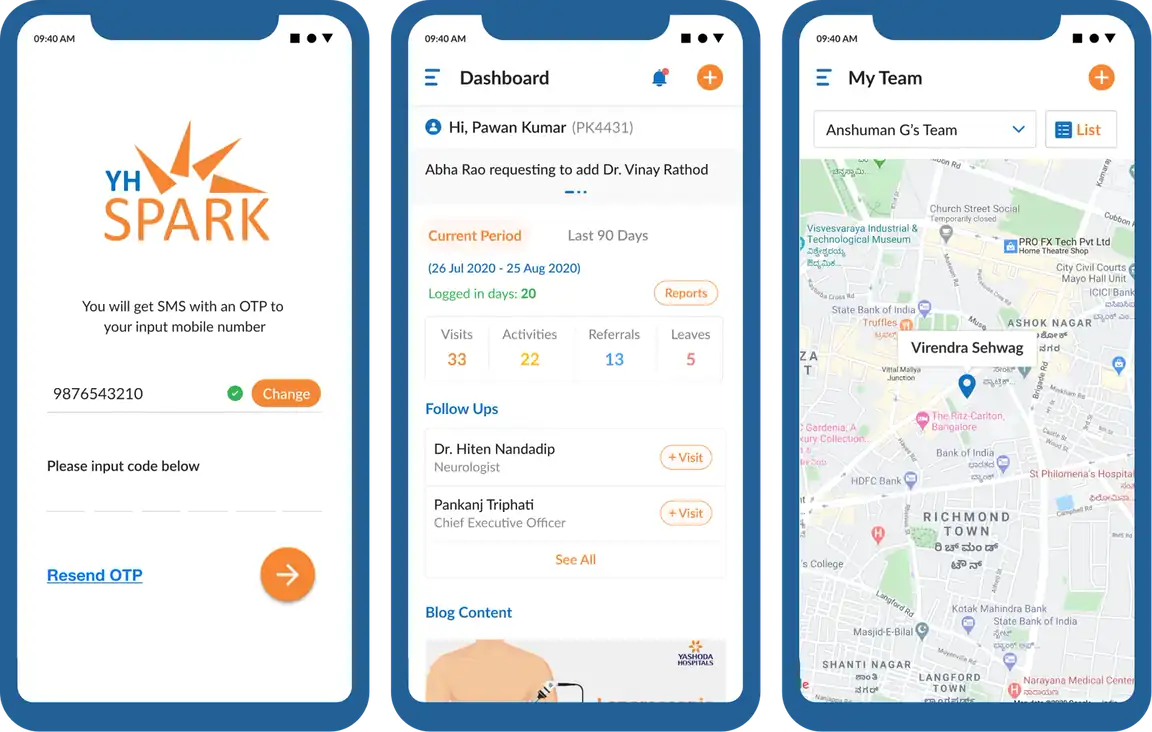

A hospital facing Ext JS platform handling patient records, scheduling and clinical reporting across multiple locations.
View case studyOur Sencha Ext JS services
End to end delivery from conceptualisation and design through development, testing and deployment, using the full weight of the framework.
Bespoke components and modules that slot cleanly into your existing application architecture.
Captivating, intuitive interfaces that stay easy to navigate even when the screen is dense with data.
Connect your Ext JS front end to databases, CRM, ERP and other systems with dependable data exchange.
Payment gateways, social APIs, mapping services and other external platforms wired in properly.
Layouts that adapt across desktop, tablet and phone without losing the grid discipline your users rely on.
Bug fixes, security updates, feature enhancements and performance work under an agreed service level.
Faster loads, smoother navigation and headroom for growing user counts and data volumes.
Careful, phased migration between Ext JS and modern frameworks such as React or Angular with functionality and data preserved.
Migration
We migrate Ext JS applications to Angular or React in phases, without disrupting daily operations, company data or your core business model.
Talk to an architectReduce licensing and ongoing maintenance spend, freeing budget for product work instead of upkeep.
Bring a legacy estate onto a supported, actively patched foundation with modern authentication.
Improved data acquisition, richer analytics and reports that scale with the questions your business asks.
Open source ecosystems make it easier to hire, integrate newer technologies and expand the product.
Dependable builds with automated tests, so change stops feeling risky.
Continuous updates keep the application current instead of drifting years behind.
How the work runs
Workshops to map processes, systems and the outcome you are measured on.
Solution blueprint, data model and delivery plan agreed before we build.
Two week sprints with working software and a demo at the end of each one.
Migration, UAT, enablement and a cutover plan your teams can rehearse.
Managed support, enhancements and quarterly roadmap reviews.
Why mVerve
Deep, practical Ext JS experience across manufacturing and healthcare products, from first component to long term support.
Our Ext JS developers have deep, practical experience in this framework, with a track record across manufacturing and healthcare products.
We start from your objectives and work closely with your team so the build matches the plan, not a template.
Designers and developers work together on visually striking, intuitive screens that keep users engaged.
Applications built so additional features, components and integrations can be added as requirements evolve.
Rigorous optimisation for quick loads and efficient operation, even during peak usage.
Regular progress updates and strict timelines, with delivery that does not trade quality for speed.
How we work
Review the existing application, data volumes, Ext JS version and integration surface, then agree the target state.
Component inventory, data models, API contracts and screen designs, reviewed with your engineering leads.
Iterative delivery with code review, automated testing and a working environment from the first sprint.
Performance tuning, documentation, knowledge transfer and ongoing support once you are live.
“The mVerve team understood our Ext JS codebase faster than anyone we had worked with before. Screens that used to take a minute to load now open instantly, and our operations team finally trusts the numbers on them.”
How we work
Every engagement starts with the metric that has to move and reports against it.
Security, access control and documentation handled as part of delivery, not after.
Automation and models applied to the steps that actually cost your teams time.
Engagement models
Ext JS gives web development a remarkable boost, leading to faster delivery and cost savings. Applications stay accessible across devices and browsers, which keeps the user experience consistent and customer engagement high.
Its scalability and extensibility support growth and changing requirements, so the solution you build now absorbs the products you plan next instead of blocking them.
FAQ
Ext JS is strongest where the screen is full of data: grids, pivot tables, charts, tree views and forms that need consistent behaviour across browsers. Its component library and data package remove a large amount of custom work for enterprise tooling.
Yes. Our Chief Technology Officer has worked with the framework since its first version in 2007, and the team regularly picks up applications built on earlier releases to stabilise, upgrade or extend them.
We do this often. We map the component inventory, agree a phased plan, and migrate module by module so the business keeps running through the transition rather than waiting for a big bang release.
Yes. The team is conversant across the Sencha suite, including Ext JS, ExtReact and ExtAngular, so we can recommend the right combination for your existing front end.
You can engage a full delivery team or add senior Ext JS engineers into your existing sprints through our staff augmentation practice.
Write to us with your current setup and goals. We usually come back with a team shape, an approach and a realistic timeline within 48 hours.
Ready when you are
Tell us about your current application, its Ext JS version and where it hurts. We will come back with an approach, a team shape and a realistic timeline within 48 hours.
Data heavy Ext JS applications benefit fast from AI: natural language filtering, anomaly highlighting, and generated summaries of what a grid shows.
Plain language queries translated into filters and sorts users can verify.
Rows flagged where values break expected patterns.
Narrative explanations of dashboards for management reporting.